
Expert Basement Inspections: Your First Line of Defense Against Costly Damage in Youngstown
A single, overlooked leak can compromise your home’s foundation, leading to thousands in repair costs. At YLM Basement Waterproofing, we know that professional basement inspection services act as your crucial early warning system against water intrusion, mold, structural cracks, and unwelcome pests. This guide will show you how expert inspections pinpoint damage, detail our thorough assessment process, discuss local cost factors, and explain how a precise inspection leads directly to effective waterproofing and repair solutions.
You’ll discover:
- How to identify common damage signs before they become major problems
- What our complete inspection covers, from foundation checks to sump pump tests
- What influences pricing and the value of inspection versus repair
- The advantages of preventative care and custom solutions for Youngstown’s unique soil and climate
By the end, you’ll see why a professional basement inspection offers both peace of mind and significant long-term savings. Our expertise in basement waterproofing Youngstown ensures we address the specific needs of homes in this region.
Common Signs of Basement Water Damage to Watch For
Basement water damage often starts subtly. Catching these early signs can prevent extensive structural deterioration. We’ll help you recognize the visible and tactile indicators of moisture intrusion, understand their causes, and see typical examples.
Signs of Basement Water Damage
Basement water damage can show up in many ways, like water stains, dampness, mold or mildew, and musty smells. These are clear signs of moisture getting in and potential structural issues.
Recognizing Foundation Cracks and Their Types

Foundation cracks are breaks in concrete or masonry that indicate stress from soil movement or water pressure. It’s important to classify these cracks accurately, as each type presents different risks and requires specific repair methods. For instance, horizontal cracks often signal outward soil pressure, while stair-step cracks follow the mortar lines in block walls.
Foundation Crack Types and Risks
Foundation cracks are categorized by their appearance. Horizontal cracks often point to soil pressure, while stair-step cracks suggest a combination of pressure and movement. Each crack type carries distinct risks and needs specific repair techniques.
Symptoms of Water Intrusion in Basements
Water intrusion in basements can appear as efflorescence on concrete, visible leaks, damp patches, and musty odors. Efflorescence is a white, powdery mineral deposit on walls, showing where moisture has traveled through the masonry. Drips or wet spots near the floor-wall joint often mean exterior drains are blocked.
- Efflorescence indicates persistent moisture wicking
- Leaks at wall seams suggest hydrostatic pressure behind the wall
- Musty or mildew smells signal ongoing high humidity
Identifying these symptoms early helps prevent mold growth and wood rot, keeping you ahead of costly repairs.
How Mold and Mildew Growth Signal Basement Problems
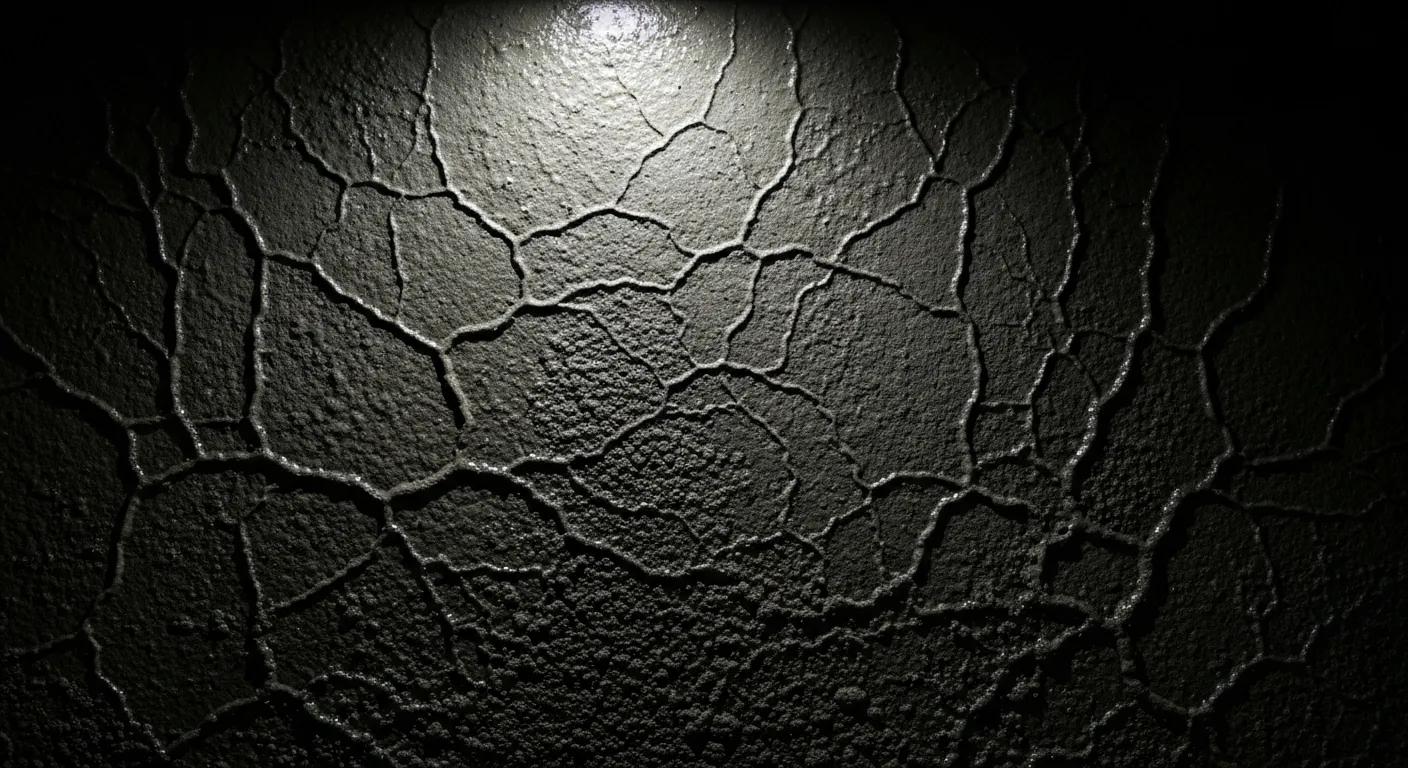
Mold and mildew thrive in damp, poorly ventilated areas. Their presence often points to hidden leaks or condensation problems. We define mold growth as the proliferation of fungal spores, explain its health risks, and show common examples like black spots on drywall.
- Airborne spores land on damp surfaces and begin to grow
- Constant moisture sources—leaks or high humidity—allow colonies to form
- Visible patches often hide unseen leaks behind insulation
Addressing mold through inspection reveals the underlying moisture sources, protecting your home’s structure and your indoor air quality.
The Role of Pest Infestations in Basement Damage
Pests use foundation cracks and crawl space openings as entry points, worsening structural damage. Mice, termites, and carpenter ants can damage insulation, wooden framing, and even vapor barriers. Finding insect trails, droppings, or gnaw marks reveals vulnerabilities that we can then seal and reinforce.
- Entry points can enlarge existing cracks
- Burrowing insects can weaken soil stability
- Nesting areas trap moisture, promoting mold growth
Identifying pest entry points during an inspection ensures a complete solution, combining waterproofing with pest-proofing strategies.
What a Professional Basement Inspection Includes
A professional basement inspection involves a detailed evaluation of every room and component, providing clear, actionable insights. We define what an expert inspection entails, explain its benefits, and give you an overview of what to expect.
Key Areas Expert Inspectors Assess During Basement Inspections
Inspectors meticulously examine:
- Foundation walls and footings
- Interior and exterior drainage systems
- Sump pump function and backup power
- Crawl space ventilation and moisture barriers
- Interior surfaces for signs of discoloration, efflorescence, and air leaks
Every area is documented, photographed, and measured to ensure no hidden issue is missed. This systematic approach creates a clear baseline for developing customized repair or waterproofing plans.
Advanced Tools and Technologies Used in Basement Inspections
Modern basement inspections utilize advanced diagnostic tools for precise measurements. We list these tools, describe what they do, and explain how they improve detection accuracy.
- Moisture meters to measure dampness in walls and floors
- Infrared cameras to detect temperature differences that indicate leaks
- Digital crack monitors to track changes in crack width over time
- Air sampling kits to measure mold spore levels
By using these technologies, we gather objective data, reducing guesswork and guiding effective interventions.
Structure of a Comprehensive Basement Inspection Checklist
A structured checklist guides a step-by-step evaluation process:
- Exterior grading and downspout drainage
- Interior wall and floor surface examination
- Sump pump and drain tile system performance test
- Plumbing fixture leak checks and backflow prevention assessment
- Crawl space vapor barrier and insulation review
This organized approach ensures consistency across all inspections and simplifies reporting, providing homeowners with clear, prioritized recommendations.
Information Provided in the Post-Inspection Report and Recommendations
Our post-inspection report includes:
- Detailed findings with supporting photographs
- Assessments of severity and potential risks
- Personalized recommendations for waterproofing, repairs, or maintenance
- Estimated costs for each suggested solution
By combining clear visuals with expert analysis, the report empowers homeowners to make informed decisions and plan their budgets effectively.
Basement Inspection Cost and Pricing Influences
Basement inspection fees can vary depending on your property and local conditions. We’ll explain the factors that affect pricing and provide a practical example.
Factors Affecting Basement Inspection Pricing in Youngstown
Key factors influencing the price include:
- The size of the basement and the number of rooms
- The complexity of crawl spaces and sump pump systems
- How easily exterior foundation walls can be accessed
- The use of specialized diagnostic equipment
- Local soil conditions and known regional risks
Larger or more complex homes naturally require more time and equipment, which is reflected in the fee but ensures a more thorough evaluation.
Availability of Free or No-Cost Inspections from Local Experts
Some companies offer free basic assessments as a way to introduce their services. While these can identify obvious issues, they often don’t include advanced diagnostics like infrared scanning or moisture mapping that are crucial for a complete evaluation.
Free inspections might highlight immediate problems, but a paid, comprehensive inspection provides the detailed information needed to prevent costly surprises down the road.
Inspection Cost Compared to Potential Repair Expenses
Investing $200–$600 in an expert inspection can often prevent major repairs costing tens of thousands, which could result from undetected leaks, foundation shifts, or extensive mold remediation. Early detection savings can be substantial, making the inspection cost a small fraction of potential structural damage expenses.
How Expert Inspections Help Prevent Costly Basement Repairs
Professional inspections provide early warnings, allowing you to take proactive steps that avoid significant repair bills. We’ll explain the benefits of prevention and illustrate with a real-world example.
Early Detection of Water Intrusion Saves Thousands in Repairs
Detecting water intrusion early means addressing minor leaks before they weaken foundations or saturate structural wood. Stopping a small seep at its source prevents wall bowing and floor heaving, potentially saving $8,000–$15,000 in structural repairs.
By catching moisture early, we reduce both direct repair costs and secondary expenses like mold cleanup.
Benefits of Proactive Basement Maintenance and Annual Inspections
Annual inspections contribute to your home’s long-term stability by:
- Monitoring existing repairs to ensure they’re performing well
- Updating drainage systems before they become clogged
- Replacing worn sump pump parts before they fail
Regular maintenance extends the life of waterproofing systems and helps maintain your property’s value, leading to tangible savings over time.
Inspections Identify Foundation Problems Before They Worsen
Regular inspections track how cracks change, monitor wall movement, and assess soil moisture levels. This ongoing analysis can reveal gradual shifts that, if left unaddressed, could lead to major structural issues. Fixing small cracks early might cost under $1,500, compared to $10,000+ for complete underpinning.
Inspections Detect Mold Growth and Prevent Health Risks
Air sampling and moisture readings can uncover hidden mold colonies behind walls or under floors. Addressing the moisture source and treating mold before it becomes airborne protects your indoor air quality and helps avoid costly health issues and remediation bills.
Basement Waterproofing and Foundation Repair Solutions Following Expert Inspections
After an inspection, we develop customized solutions for the identified issues, creating a coordinated repair and protection strategy. We’ll define the types of solutions available, explain how they work, and provide typical examples. Our team is dedicated to providing top-tier basement waterproofing Youngstown services.
Recommended Basement Waterproofing Methods for Youngstown Homes
Given Youngstown’s clay soils and freeze-thaw cycles, we often recommend:
- Interior drainage systems (drain tile with a sump pump)
- Exterior waterproofing membranes and proper backfilling
- Foundation crack injections using epoxy or polyurethane
Basement Waterproofing Methods
Basement waterproofing methods include interior sealants, exterior waterproofing membranes, and drainage systems like sump pumps and French drains. These techniques are designed to stop water from entering and manage existing moisture.
Foundation Crack Repair to Restore Structural Integrity
Crack repair typically involves:
- Preparing and cleaning the crack
- Injecting expanding polyurethane foam to seal leaks
- Using epoxy injection to structurally bond the concrete
- Applying surface sealants for added moisture protection
This multi-step process stops leaks and restores the wall’s strength.
Foundation Crack Repair Techniques
Effective foundation crack repair uses methods like epoxy injection to bond concrete and restore structural integrity. Carbon fiber staples or straps can also reinforce the repaired area and prevent future cracking.
Crawl Space Moisture Control Solutions Complementing Basement Inspections
Crawl space encapsulation, which includes installing a heavy-duty vapor barrier, along with dehumidifiers, effectively eliminates ground moisture. Upgraded ventilation systems further reduce humidity and protect floor joists from rot and pest damage.
Installing or Checking a Sump Pump Prevents Future Water Damage
Ensuring a sump pump and its battery backup are working correctly is vital for keeping water out during heavy rains and power outages. Regular testing and maintenance of float switches, impellers, and discharge lines prevent flooding and foundation erosion.
Unique Basement Challenges of Youngstown’s Climate and Soil
Youngstown’s heavy clay soil, tendency for seasonal flooding, and cold winters create specific risks for underground structures. We’ll explain each regional challenge, its impact, and provide local examples. We are experts in basement waterproofing Youngstown and understand these challenges intimately.
Youngstown’s Clay Soil Affects Basement Foundations
Clay soil expands when wet and shrinks when dry, repeatedly exerting lateral pressure on foundation walls. This cycle can cause bowing and horizontal cracking, requiring strong anchoring and wall bracing solutions designed for the local soil conditions.
Soil Testing in Youngstown
Soil testing in Youngstown is essential for making informed decisions in areas like gardening, construction, and agriculture. It helps identify nutrient levels, potential contaminants, and moisture content, ensuring that any plans are based on accurate data.
Seasonal Flooding Risks for Homeowners in Mahoning County
Spring snowmelt and summer storms can easily overwhelm surface drainage systems. If grading is poor and gutters aren’t extended, water can pool around foundations, increasing hydrostatic pressure and risking basement flooding. Strategic exterior grading and French drain installations can help manage these seasonal water surges.
Influence of Local Building Codes on Basement Waterproofing and Repairs
Mahoning County requires permits for exterior excavation work and mandates compliance with specific standards for drainage and sump pumps. Following these codes ensures legal approval and avoids future issues when selling or refinancing your home.
Case Studies of Successful Basement Damage Prevention in Youngstown
In a recent project, our inspection uncovered a hidden wall crack behind paneling. After injecting the crack, installing an interior drain tile system, and regrading the exterior, the homeowner avoided an estimated $12,500 repair bill and has maintained a dry basement for over five years. This is a testament to our effective basement waterproofing Youngstown solutions.
Frequently Asked Questions About Basement Inspections
Homeowners often have questions about the scope of service, timing, reliability, and how to prepare. We’ll address these points directly, summarizing key information.
- A professional basement inspection typically covers foundation and wall assessments, drainage and sump pump checks, moisture mapping, and a detailed report with repair recommendations.
- Basements benefit from annual inspections to monitor ongoing issues and reinforce preventative measures before damage worsens.
- While general home inspectors can identify common problems, specialized basement inspection services with tools like infrared cameras and moisture meters offer a more thorough assessment.
- Common causes of basement water include poor exterior grading, clogged drains, hydrostatic pressure, or failing sump pumps; prevention relies on comprehensive assessment and tailored waterproofing.
- Homeowners can prepare by clearing stored items, ensuring access to all walls, and noting any past leaks or repairs to help guide the inspection.
These insights clarify the inspection process, highlight its value, and set clear expectations for a smooth experience. Our experienced basement waterproofing Youngstown team is ready to assist you.
Investing in expert basement inspections combines early detection with targeted waterproofing, foundation repair, and maintenance to protect your Youngstown property. With YLM Basement Waterproofing’s local knowledge and comprehensive services, you’ll secure a dry, stable basement and avoid the significant costs of unexpected damage. Schedule your professional basement inspection today—safeguard your home’s foundation, preserve indoor air quality, and prevent costly repairs before they start.