
Youngstown Basement Waterproofing: DIY vs. Professional Solutions
Facing a damp or leaky basement in Youngstown? This guide dives into the critical decision between tackling it yourself (DIY) and bringing in the pros. We’ll break down what causes these issues in our area’s unique clay-rich soil, explore common DIY fixes, and compare them to the robust solutions offered by Youngstown’s trusted basement waterproofing contractors. You’ll get the lowdown on costs, how to decide which route is best for your home, and smart ways to keep your basement dry for good. By the end, you’ll know if a quick DIY fix or YLM Basement Waterproofing’s comprehensive approach is the right move to protect your property.
Causes of Your Youngstown Basement’s Water Woes
Basement water problems typically stem from groundwater pressure, foundation cracks, or surface water runoff overwhelming your home’s defenses. This can lead to dampness, mold, and even damage to your home’s structure. Youngstown’s dense clay soils can significantly increase hydrostatic pressure, while old mortar and poor yard grading make it easier for moisture to sneak in. Understanding these culprits is the first step toward a dry basement. We offer effective basement waterproofing solutions to combat these common issues.
The Impact of Hydrostatic Pressure on Your Basement
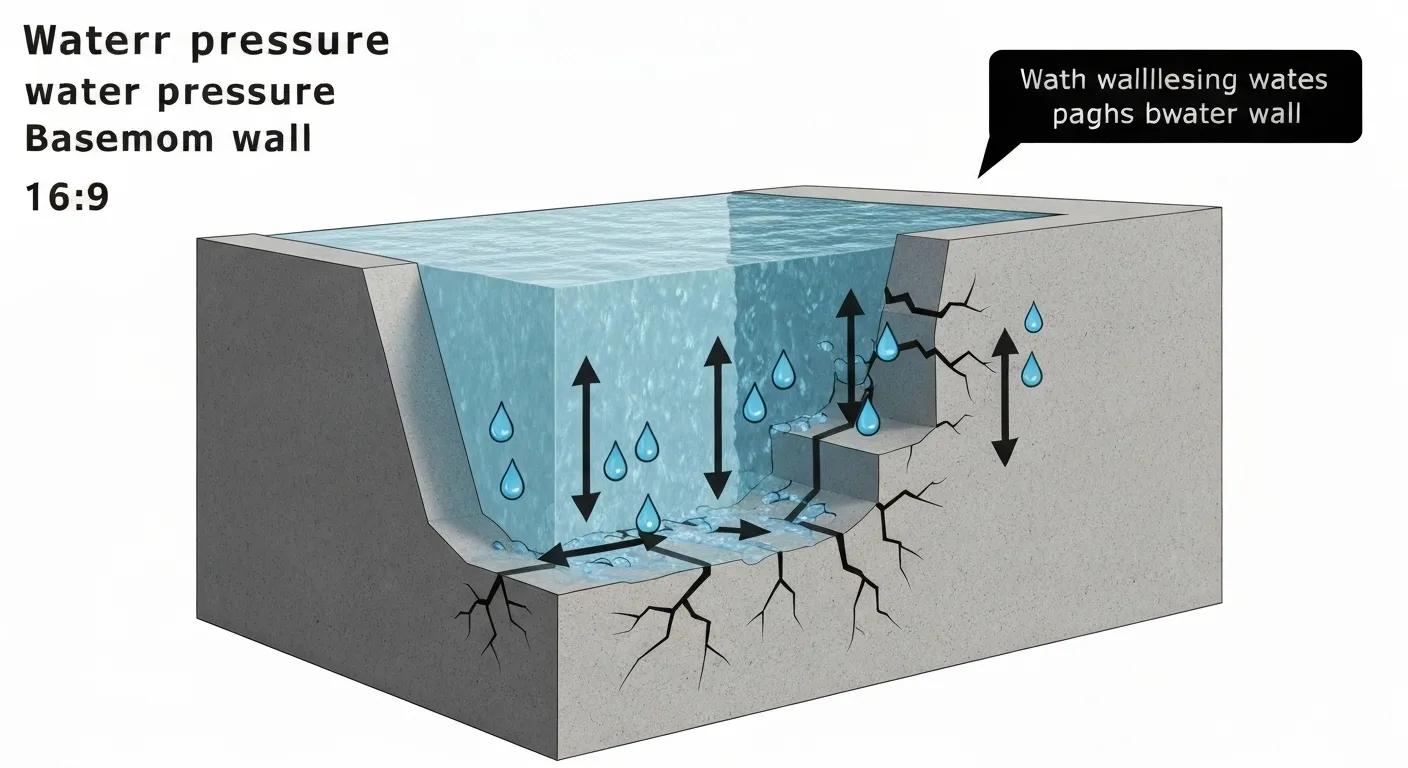
Hydrostatic pressure is essentially the force exerted by saturated soil pushing against your basement walls. This pressure forces groundwater through even the tiniest pores and cracks, resulting in persistent dampness. Our team at YLM Basement Waterproofing understands how this pressure affects homes in Youngstown.
- Saturated Soil: When heavy rains saturate the ground, the water table rises, increasing the outward pressure on your foundation walls.
- Water Migration: Moisture can travel through microscopic channels in concrete, leading to damp spots and that tell-tale white, chalky residue known as efflorescence.
- Wall Stress: Over time, constant pressure can cause foundation walls to bow or shift, compromising their structural integrity.
Knowing how hydrostatic pressure works helps explain why simple surface treatments often fall short and why sealing cracks needs to address the moisture in the soil itself. For reliable basement waterproofing, addressing hydrostatic pressure is key.
Hydrostatic Pressure and Basement Leaks
Hydrostatic pressure, generated by water-logged soil, can push water through foundation cracks and pores, causing leaks. This pressure is particularly strong in Youngstown’s clay soils and when water tables are high, making it a major contributor to basement water issues.
The Role of Foundation Cracks in Basement Leaks
Foundation cracks are openings in your basement walls or floor that act as direct pathways for water. These cracks can also widen over time, especially with the expansion and contraction caused by freeze-thaw cycles. We address these issues as part of our comprehensive basement solutions.
- Hairline Cracks: These are very fine fissures, typically less than 1/16 of an inch wide. They might only leak during heavy rain.
- Structural Cracks: Cracks that are wider than 1/8 inch, often appearing vertically or in a stair-step pattern, can indicate foundation settlement or movement.
- Horizontal Cracks: These are a serious concern, often caused by significant lateral pressure from the soil. They can allow substantial amounts of water to enter.
Foundation Cracks and Basement Leaks
Foundation cracks provide an entry point for water and can worsen with temperature changes. Horizontal cracks are especially problematic, often signaling issues with hydrostatic pressure and potentially structural instability.
How Poor Drainage Contributes to Wet Basements
When water doesn’t drain properly away from your home, it pools around the foundation, increasing the pressure on your basement walls and finding its way through any weak points. Our team can assess and improve your home’s drainage as part of our basement waterproofing services.
- Clogged Gutters: Overflowing gutters can dump large amounts of water right next to your foundation.
- Improper Grading: If the soil around your house slopes toward the foundation instead of away, it directs all runoff straight to your basement walls.
- Missing French Drains: Without exterior drainage systems, water has nowhere to go but to saturate the soil against your foundation.
Improving your home’s drainage is a crucial step that works hand-in-hand with waterproofing to keep moisture out.
Common Signs You Need Basement Waterproofing
Keep an eye out for tell-tale signs of moisture in your basement, such as water stains on the walls or floor, white powdery deposits (efflorescence), a persistent musty smell, or visible mold growth. These are all clear indicators that your basement needs attention. As a leading basement waterproofing company, we can help identify and resolve these issues.
- Water Stains: Dark patches on walls or floors that appear after rain or snowmelt.
- Efflorescence: White, chalky residue left behind as moisture evaporates from concrete surfaces.
- Musty Odors: A persistent damp smell often signals the presence of mold and mildew.
- Mold Growth: Visible spots of mold or mildew on walls, insulation, or stored items.
Catching these symptoms early can help you decide whether a DIY fix or a professional assessment is the right next step.
Effective DIY Basement Waterproofing Methods
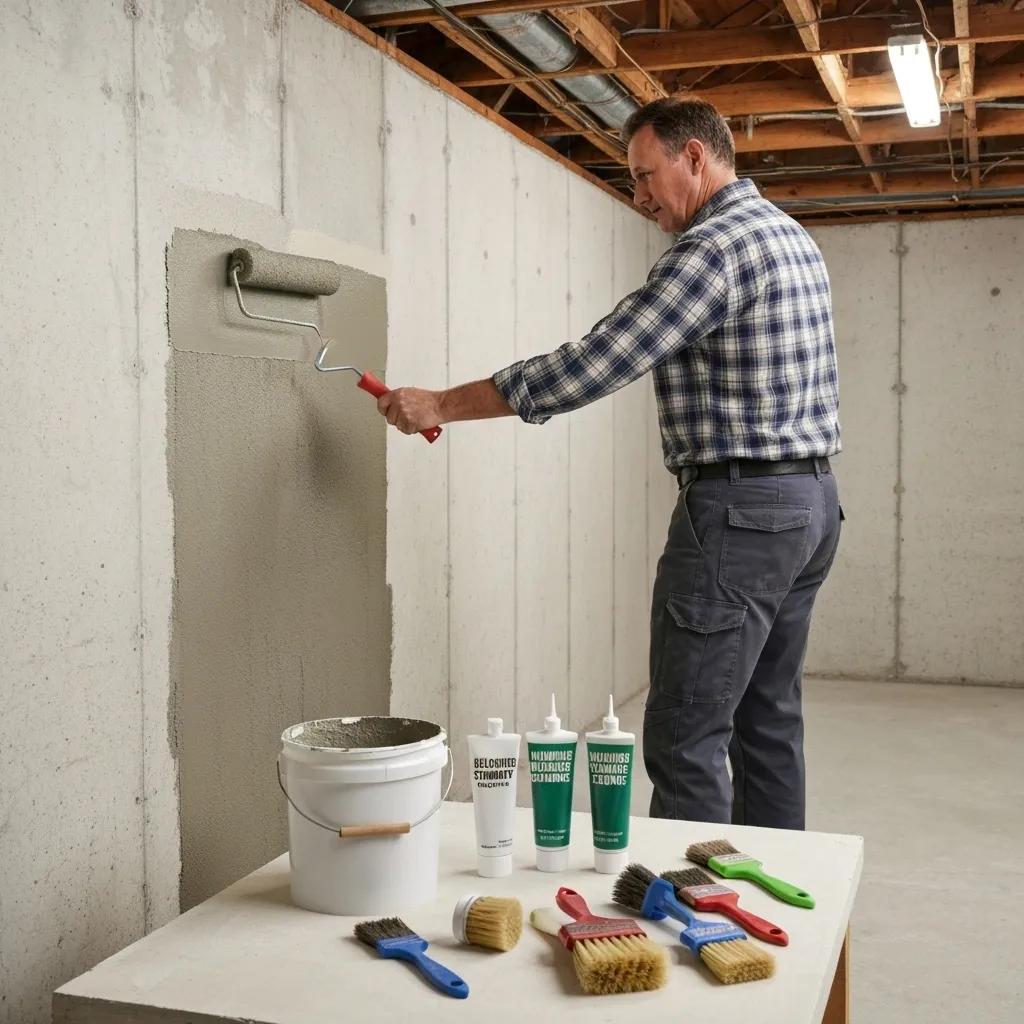
DIY basement waterproofing typically involves using sealants, paints, and basic drainage kits to tackle minor moisture issues and small leaks. While these can be cost-effective for small problems, it’s important to understand their limitations before you start. For more extensive issues, consider our professional crawl space repair services.
DIY Basement Waterproofing Methods
DIY basement waterproofing often involves applying sealants and coatings to address minor dampness, offering a budget-friendly option for homeowners. These methods are best suited for small hairline cracks and occasional damp spots, but they may not hold up against significant hydrostatic pressure or structural damage.
Materials and Techniques Used in DIY Waterproofing
Many homeowners turn to interior sealants and patching compounds to create a barrier against moisture on their basement walls. While these can be helpful for minor issues, our professional team uses advanced materials for lasting protection.
- Waterproof Paints: These are typically epoxy-based coatings designed to block moisture vapor from passing through the concrete.
- Hydraulic Cement: A fast-setting cement mix that can quickly stop active water leaks.
- Silicone Sealants: Flexible caulking used to seal small cracks and gaps around pipes or joints.
While these products can help with minor seepage, they generally don’t offer the same long-term protection as professional-grade membranes and drainage systems.
When DIY Basement Waterproofing Is Appropriate
DIY waterproofing is best suited for minor issues, like small hairline cracks (under 1/16 inch) and occasional damp spots that don’t indicate a larger problem. For anything beyond these minor issues, professional help is usually the more reliable choice.
- Cracks Under 1/16″: These are typically easy to seal with patching compounds.
- Nonstructural Leaks: If your walls are straight and stable, with no signs of bowing or shifting, DIY might be an option.
- Seasonal Dampness: If your basement only gets damp during periods of very heavy rain, a DIY approach might suffice temporarily.
For anything beyond these minor issues, professional help is usually the more reliable choice.
Advantages of DIY Waterproofing
The main draws of DIY waterproofing are the potential cost savings and the convenience of being able to tackle the problem on your own schedule without waiting for a contractor. While DIY fixes can be a cost-effective way to manage minor dampness, they often only provide a temporary solution for more significant problems.
- Lower Upfront Costs: You can often complete a DIY project for under $500.
- Scheduling Flexibility: You can work on it whenever it suits you, like on weekends.
- Skill Development: It’s a good way to learn basic home improvement skills.
While DIY fixes can be a cost-effective way to manage minor dampness, they often only provide a temporary solution for more significant problems.
Risks and Limitations of DIY Waterproofing
When you go the DIY route, be aware that the fixes might only be temporary, improper application can reduce effectiveness, and surface treatments can hide deeper issues that could worsen over time. Understanding these limitations is key to knowing when it’s safer and more effective to call in the professionals.
- Limited Effectiveness: Sealants can fail when subjected to constant hydrostatic pressure.
- No Guarantees: DIY repairs don’t come with warranties against future leaks.
- Hidden Problems: Surface treatments might mask underlying foundation or drainage failures that need professional attention.
Understanding these limitations is key to knowing when it’s safer and more effective to call in the professionals.
Why Choose Professional Basement Waterproofing in Youngstown?
Professional basement waterproofing involves expert assessments, specialized equipment, and high-quality materials to create lasting solutions that effectively stop water intrusion. Working with experienced contractors ensures your investment provides reliable protection and helps maintain your home’s value. Our team at YLM Basement Waterproofing specializes in comprehensive basement waterproofing Youngstown solutions, offering peace of mind and lasting results.
Professional Basement Waterproofing in Youngstown
Professional basement waterproofing combines expert evaluation, specialized tools, and durable materials to build comprehensive systems that prevent water from entering your basement long-term. These services often include interior drainage systems, exterior waterproofing membranes, and sump pump installations, offering lasting protection and preserving your property’s value. We are experts in basement waterproofing Youngstown, providing superior crawl space waterproofing.
Expertise and Advanced Solutions Offered by Professionals
Certified technicians use advanced diagnostic tools and specialized equipment, like high-pressure injection systems, to seal cracks and install drainage solutions precisely tailored to your basement’s unique needs. Our experienced basement waterproofing Youngstown professionals are equipped to handle any challenge.
- Moisture Mapping: Using tools like infrared scanners to pinpoint hidden water pathways.
- Structural Crack Repair: Injecting materials like polyurethane deep into cracks to create a strong, waterproof bond.
- Custom Drainage Design: Creating interior drainage channels or exterior french drains based on thorough soil analysis.
Professional precision ensures that all potential water entry points are thoroughly addressed and sealed.
How Professionals Ensure Long-Term Effectiveness
Professional services provide long-term effectiveness through durable installations, often backed by warranties that protect your investment and give you peace of mind. Our basement waterproofing Youngstown services are designed for lasting results.
- Lifetime Warranties: Many contractors offer warranties on both materials and workmanship, typically lasting from 10 to 25 years.
- Maintenance Plans: Some companies offer ongoing service plans that include regular inspections and sump pump maintenance.
- High-Grade Materials: Professionals use industrial-strength membranes, sealants, and drainage components designed for maximum durability.
This level of reliability and long-term performance is a significant advantage over many temporary DIY fixes.
Available Professional Waterproofing Services
Key professional services include installing interior drainage channels, applying exterior waterproofing membranes, setting up sump pumps, and performing targeted crack repairs, all designed to create a comprehensive defense against water intrusion. We offer a full range of basement waterproofing Youngstown services.
- Interior Drainage Systems: Perimeter channels collect water and direct it to a sump basin for removal.
- Exterior Membrane Installation: Applying waterproof coatings to the outside of foundation walls.
- Sump Pump Installation: Installing automated pumps to remove collected water from the basement.
- Crack & Joint Sealing: Using epoxy or polyurethane injections to seal structural cracks and joints.
- Crawl Space Encapsulation: Installing vapor barriers in crawl spaces to prevent moisture from entering your home from below.
These integrated approaches address multiple potential water entry points, helping to ensure your basement stays dry and healthy.
Basement Waterproofing Costs in Youngstown
Basement waterproofing costs in Youngstown can range widely depending on the method used, the extent of the damage, and the size of your basement. Professional solutions typically fall between $4,000 and $10,000, while DIY kits might cost $200 to $1,000. Knowing these price ranges can help you plan your budget.
Basement Waterproofing Costs in Youngstown
Basement waterproofing costs in Youngstown vary based on the method, the severity of the damage, and the size of the basement. Professional solutions generally range from $4,000 to $10,000, while DIY kits can cost between $200 and $1,000. Factors like basement size, the extent of leaks, and local soil conditions will influence the final price.
Factors Influencing Professional Waterproofing Costs
The cost of professional waterproofing depends on factors like your basement’s square footage, how severe the water intrusion is, the specific soil conditions, and the type of system you choose. Our team provides detailed inspections to ensure you receive a clear and accurate estimate for your basement waterproofing Youngstown project.
- Basement Size: Larger basements require more materials and labor.
- Leak Severity: Active water flow often means more extensive repairs are needed.
- Soil Composition: Clay soils may require more robust drainage solutions.
- System Complexity: Exterior excavation and waterproofing can be more involved than interior drainage systems.
Our team provides detailed inspections to ensure you receive a clear and accurate estimate.
Comparing DIY and Professional Costs
While DIY methods have a lower initial cost, they may need frequent reapplication. Professional solutions represent a larger upfront investment but provide lasting results, often saving money on future repairs. Considering the long-term costs shows the true value of professional expertise.
- Upfront Investment: DIY kits typically cost under $1,000, while professional systems start around $4,000.
- Maintenance Cycles: DIY fixes might need annual touch-ups, whereas professional systems require minimal upkeep.
- Longevity: Professionally installed systems can last 20 years or more.
Considering the long-term costs shows the true value of professional expertise.
Return on Investment for Professional Waterproofing
Investing in professional basement waterproofing can increase your property value, reduce health risks associated with mold, and provide valuable peace of mind. Often, these improvements can recoup 70–100% of their cost in resale value.
- Property Value Boost: A dry, well-maintained basement enhances curb appeal and reassures potential buyers about the home’s structural integrity.
- Health Benefits: Reducing mold and mildew exposure can lower potential medical costs and liability.
- Savings on Maintenance: Fewer repairs, potentially lower insurance premiums, and reduced energy costs due to better moisture control.
The long-term advantages make professional waterproofing a worthwhile investment for most homeowners.
Considering DIY vs. Professional Basement Waterproofing
The decision between DIY and professional waterproofing often comes down to the severity of the leak. Minor dampness might be manageable with DIY methods, but significant structural issues or persistent flooding usually require expert intervention. Matching the solution to the problem prevents wasted time and money.
Basement Conditions Suitable for DIY Solutions
DIY methods are best for basements with only occasional damp spots, very small hairline cracks (under 1/16 inch), and minor efflorescence, which suggest only superficial moisture issues. In these limited cases, DIY can be a temporary fix, but professional upgrades are often needed eventually.
- Isolated Cracks: Small fissures that are easily sealed.
- Seasonal Dampness: Moisture that only appears during periods of heavy rain, not constant leaks.
- No Structural Issues: Walls are plumb and stable, with no signs of bowing or shifting.
In these limited cases, DIY can be a temporary fix, but professional upgrades are often needed eventually.
When Professional Intervention Is Essential
You should call a professional if your basement is experiencing active flooding, has structural cracks wider than 1/4 inch, or if hydrostatic pressure is causing walls to bow or bulge. Severe basement water problems demand comprehensive solutions that only certified contractors can provide.
- Repeated Water Pooling: This indicates a failure in the drainage system.
- Bowing or Bulging Walls: This is a serious structural concern that needs immediate professional attention.
- Extensive Mold Colonies: Widespread mold growth poses a health risk and requires professional remediation.
Severe basement water problems demand comprehensive solutions that only certified contractors can provide.
Preventing Future Basement Water Problems in Youngstown
Preventing future basement water issues involves consistent maintenance, ensuring proper grading around your home, and integrating foundation repairs with crawl space services to maintain a dry and structurally sound basement. A comprehensive strategy helps minimize recurring moisture problems and extends the life of your waterproofing system.
Best Basement Waterproofing Maintenance Tips
Regularly inspecting your basement, keeping your gutters clean, and checking your sump pump’s operation are key to catching and fixing moisture issues before they become major problems. Consistent upkeep helps maintain both DIY fixes and professional waterproofing installations.
- Inspect Seals and Joints: Regularly check for new cracks or loose sealant around windows, pipes, and wall joints.
- Clean Gutters Quarterly: Ensure your gutters and downspouts are clear and directing water well away from your foundation.
- Test Sump Pump Monthly: Pour water into the sump pit to make sure the pump activates and discharges water properly.
- Monitor Indoor Humidity: Use a dehumidifier if indoor humidity levels consistently exceed 60%, especially during humid months.
Consistent upkeep helps maintain both DIY fixes and professional waterproofing installations.
How Foundation Repair and Crawl Space Services Complement Waterproofing
Foundation repair and crawl space encapsulation work together with waterproofing by stabilizing soil, preventing foundation movement, and blocking moisture from entering your home through the crawl space. Combining these services offers complete protection against water and soil-related foundation issues.
- Wall Anchors & Helical Piers: These systems can stabilize bowing walls and lift settled foundations.
- Polyurethane Injections: Filling voids within concrete and reinforcing weak areas.
- Vapor Barriers: Sealing crawl spaces prevents ground moisture from evaporating into your home.
Combining these services offers complete protection against water and soil-related foundation issues.
Frequently Asked Questions About Basement Waterproofing in Youngstown
Homeowners often wonder if DIY methods are truly cost-effective, if damp basement walls are normal in older homes, what the typical costs are for professional waterproofing, and how to spot clear signs that a foundation seal is failing. These questions touch on the core issues of causes, solutions, the value of professional services, and the importance of early detection.
We’re here to help Youngstown homeowners choose and implement the best waterproofing strategy for lasting results. Whether you decide on a DIY approach for minor issues or opt for our full-service professional waterproofing solutions, addressing moisture problems at their source is crucial for protecting your home, your health, and your investment.