
Key Factors in Choosing Basement Waterproofing Solutions in Youngstown
Basement water damage affects over 60 percent of homes in Youngstown, OH, undermining foundations and indoor air quality if left unaddressed. We explain how to spot early warning signs, analyze local soil and climate challenges, and compare proven interior and exterior methods to protect your property. This guide walks through common damage indicators, the mechanics behind water intrusion, practical waterproofing techniques, cost considerations, contractor selection criteria, and long-term maintenance tips. By understanding these elements, Youngstown homeowners gain the confidence to choose the right basement waterproofing Youngstown solutions with expert insights from YLM Basement Waterproofing.
Basement Water Damage Prevalence
Basement water damage is a common issue, affecting over 60% of homes. If left unaddressed, this damage can lead to structural problems and decreased indoor air quality. Early detection and appropriate waterproofing solutions are crucial for protecting homes.
What Are the Common Signs That Your Youngstown Basement Needs Waterproofing?
Basement water issues often start subtly but accelerate structural damage and mold growth when overlooked. Detecting these indicators early lets you apply effective waterproofing strategies before repair costs climb.
How Does Efflorescence Indicate Basement Water Damage?
Efflorescence is a white, powdery mineral deposit on masonry walls that forms when groundwater evaporates and leaves salt crystals behind. This phenomenon reveals active moisture migration through concrete or brick, which corrodes surfaces and promotes mold. Recognizing efflorescence prompts targeted sealant application to block water entry and preserve foundation integrity.
What Are the Musty Odors and Mold Growth Symptoms in Basements?
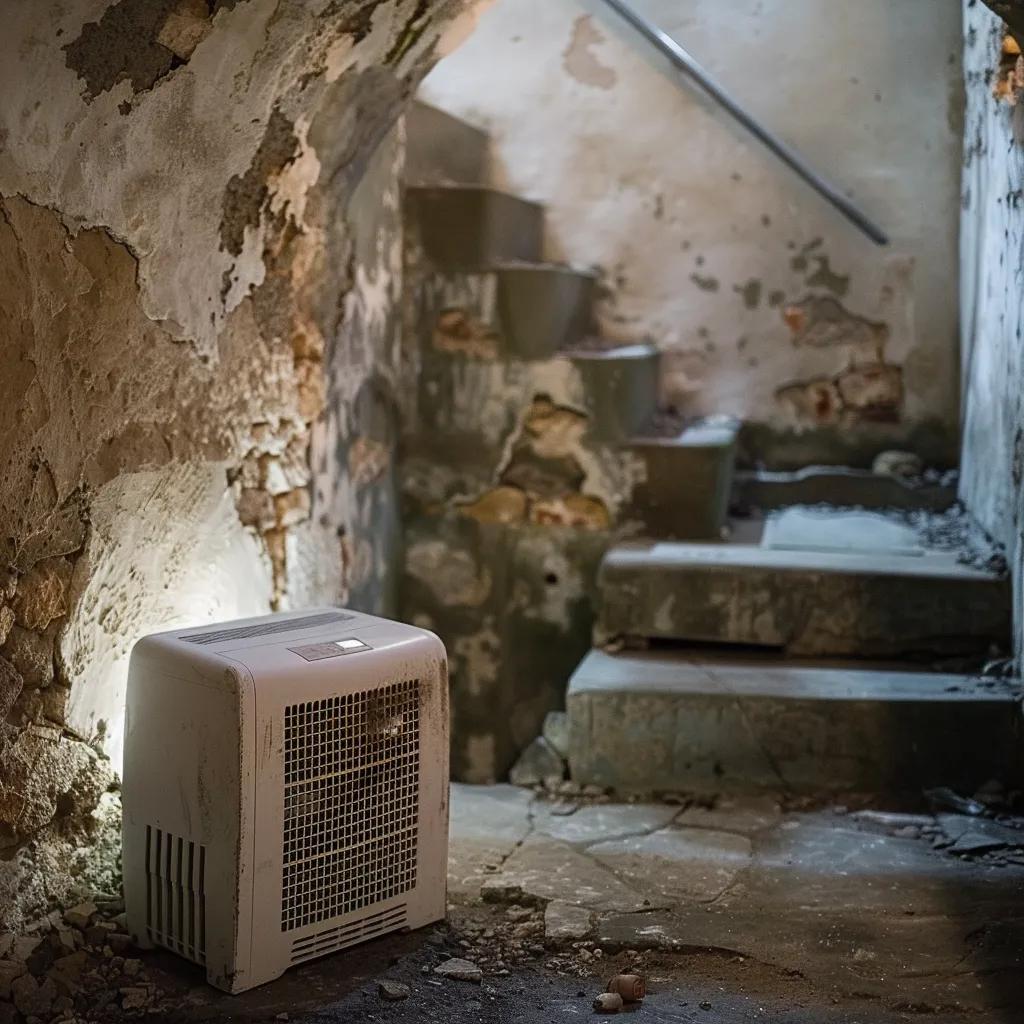
A lasting musty smell combined with visible mold colonies signals elevated humidity and stagnant moisture in your basement. Mold spores thrive on damp surfaces, releasing allergens and damaging air quality. Addressing these symptoms through dehumidification and waterproofing safeguards health and restores fresher indoor environments for families and tenants.
How Do Wall Cracks and Sagging Floors Signal Foundation Problems?
Vertical or stair-step cracks in foundation walls, along with uneven or sagging floor slabs, indicate that hydrostatic pressure or soil expansion is displacing structural elements. These defects allow water infiltration under floor joints and behind walls, exacerbating damage. Repairing cracks and stabilizing slabs restores load-bearing capacity and halts further moisture intrusion.
What Other Signs Like Dampness and Pooling Water Should You Watch For?
Persistent damp patches on walls or floors, visible water pooling after rainfall, warped doors, and increased insect activity all point to groundwater intrusion. These additional warning signs reinforce the need for a comprehensive waterproofing plan that tackles both interior leaks and exterior drainage issues before damage escalates.
Why Do Basements in Youngstown Experience Water Problems?
Understanding local factors clarifies why Youngstown basements face moisture challenges and shapes effective basement solutions.
How Does Youngstown’s Climate and Clay Soil Affect Basement Moisture?
Youngstown’s humid continental climate delivers heavy seasonal rain and snowfall, elevating groundwater levels. Coupled with dense clay soils that expand when wet, upward soil pressure on foundation walls forces moisture through tiny cracks. Recognizing this interaction directs us to combine drainage improvements with moisture-barrier applications for lasting protection.
Impact of Soil and Climate on Basement Moisture
Youngstown’s climate, with heavy rain and snowfall, combined with expansive clay soil, contributes to basement water problems. Hydrostatic pressure from saturated soil forces moisture through foundations, highlighting the need for effective drainage and moisture barriers.
What Role Does Hydrostatic Pressure Play in Basement Leaks?
Hydrostatic pressure is the force exerted by saturated soil against foundation walls and floors. When this pressure exceeds the strength of concrete, it creates microfractures and leaks that allow water to seep in. Relieving hydrostatic pressure with interior drainage channels or exterior french drains prevents these pressure-driven leaks and preserves your basement’s dryness.
How Do Foundation Cracks and Poor Drainage Contribute to Water Damage?
Cracks weaken concrete’s natural barrier and allow soil-borne water to enter, while clogged or nonexistent gutters and downspouts fail to divert surface runoff. Both issues combine to elevate subsurface moisture and channel water directly to the foundation. Repairing cracks and upgrading site drainage reduces these vulnerabilities and safeguards your basement.
Can Plumbing Leaks and Faulty Sump Pumps Cause Basement Flooding?
Internal sources like broken pipes, leaking appliances, or an aging sump pump can introduce significant water volumes into your cellar. Without a properly functioning sump pump and backup system, even small leaks risk major flooding. Ensuring reliable sump pump installation and routine inspections prevents internal failures from undermining your waterproofing efforts.
What Interior Basement Waterproofing Methods Are Effective in Youngstown?
Interior techniques address water that penetrates the foundation and relieve pressure before it causes damage.
How Do Sump Pumps Help Remove Excess Water from Basements?
A sump pump is an active mechanical device installed in a pit that automatically discharges collected water away from the foundation when sensors detect rising levels. Pumping out excess groundwater prevents pooling and reduces hydrostatic pressure. Installing a reliable sump system with a battery backup supports continuous protection during power outages.
What Are Interior Drainage Systems and How Do They Work?
Interior drainage systems consist of perforated pipes embedded in a trench around the perimeter slab edge, directing water into the sump pit. These channels capture seepage before it spreads, funneling moisture away from walls and floors. Integrating drainage systems with sump pumps creates a coordinated interior solution that maintains a dry basement environment.
How Do Waterproof Sealants and Crack Repairs Prevent Water Entry?
Polyurethane or epoxy sealants injected into foundation cracks form flexible, waterproof plugs that bond to concrete surfaces. These sealants fill voids, block small leaks, and reinforce the wall against further intrusion. Applying surface sealants to walls and floors adds an extra moisture barrier that complements structural crack repairs.
When Is Basement Dehumidification Necessary for Moisture Control?
Basement dehumidifiers reduce indoor humidity by pulling moist air through cold coils and collecting condensate. This process prevents mold growth, damp odors, and condensation on interior surfaces. Incorporating dehumidification alongside drainage solutions supports total moisture control and healthier air quality in enclosed basements.
What Exterior Waterproofing Solutions Protect Youngstown Basements?
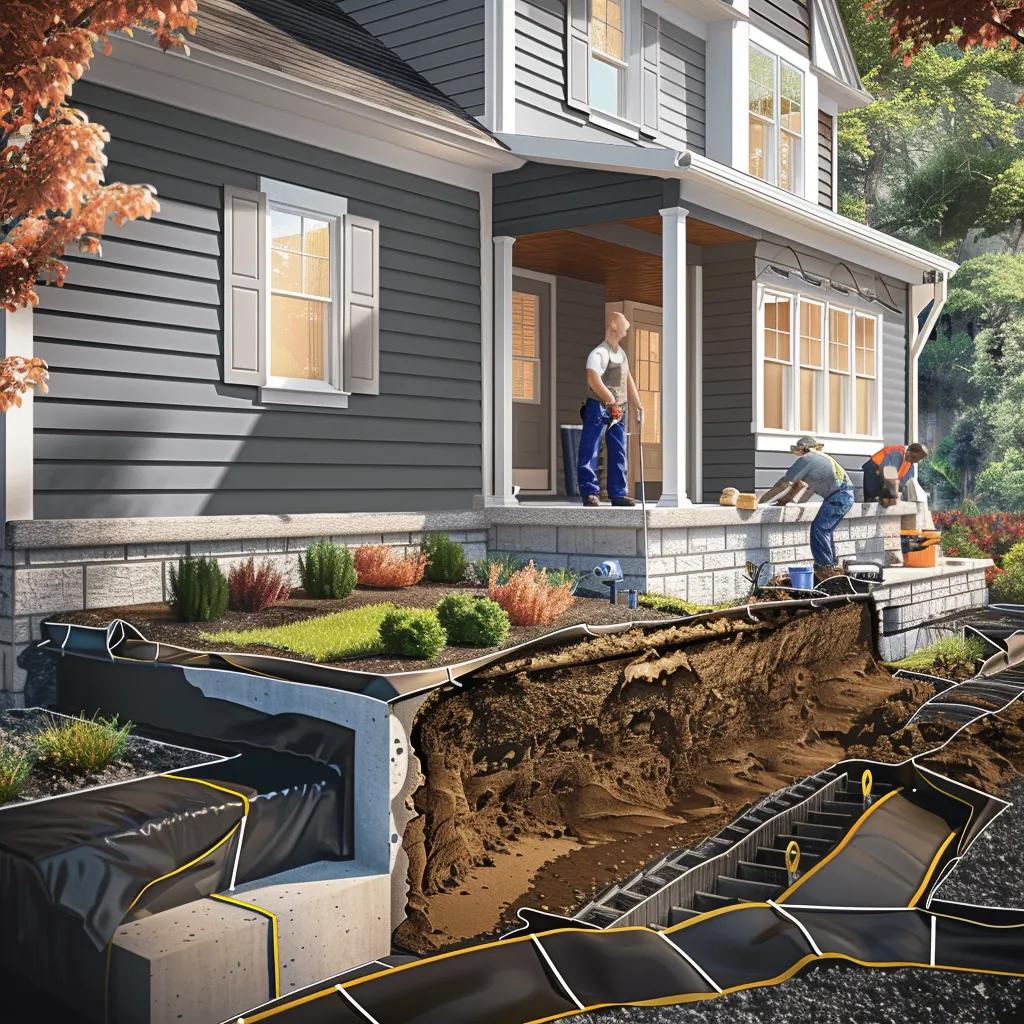
Exterior measures defend foundations from the outside, minimizing water contact before it reaches interior walls.
How Do Waterproof Membranes Shield Foundations from Water?
Waterproof membranes are thick, rubberized barriers applied directly to excavated exterior walls. They block groundwater and resist soil chemicals while allowing trapped moisture to migrate downward to drainage pipes. When combined with full-height excavation, membranes establish a robust shield that prevents most leaks.
What Is the Role of French Drains in Diverting Groundwater?
A french drain is a gravel-filled trench containing a perforated pipe that collects and redirects groundwater away from the foundation. By lowering the local water table, french drains reduce hydrostatic pressure and channel water toward downspouts or storm drains. Installing a properly sloped french drain ensures efficient flow and long-term drainage performance.
How Does Yard Grading Prevent Water Pooling Near Foundations?
Grading adjusts the slope of the landscape soil so that water flows away from your home rather than toward it. A minimum slope of 6 inches over the first 10 feet encourages surface runoff to avoid collecting around foundation walls. Proper yard grading works hand-in-hand with gutters and downspouts to keep soil moisture levels manageable.
When Is Excavation Required for Effective Exterior Waterproofing?
Full-depth excavation is necessary when interior methods alone cannot solve severe seepage or hydrostatic problems. Digging around the foundation exposes walls for membrane application, French drain installation, and proper backfill with free-draining soil. Exterior excavation provides a comprehensive waterproofing approach for challenging soil and moisture conditions.
What Specialized Basement Waterproofing Services Should Youngstown Homeowners Consider?
Advanced and complementary services address unique moisture challenges beyond basic waterproofing.
How Does Crawl Space Encapsulation Improve Moisture Control?
Crawl space encapsulation installs vapor barriers on dirt floors and seals vents to create a conditioned, dry environment beneath your home. This prevents ground moisture from entering the living area and reduces strain on heating and cooling systems. Encapsulation enhances energy efficiency and stops mold growth at its source.
When Is Foundation Crack Repair Essential for Basement Health?
Foundation crack repair becomes critical when structural movement or soil pressure widens cracks beyond hairline thresholds. Left unrepaired, larger cracks admit significant water volumes and compromise wall stability. Professional crack stabilization and sealing restore structural integrity and form a key component of a complete waterproofing system.
How Does Foundation Repair Address Structural Water Damage?
Foundation repair methods such as wall anchors, carbon fiber reinforcement, or steel beam installation counteract wall bowing and lateral pressure. By straightening and reinforcing walls, these techniques prevent ongoing damage and support waterproofing membranes. Integrating structural repairs with moisture barriers ensures a durable resolution to combined stability and leakage issues.
What Are the Benefits of Professional Sump Pump Installation?
Expert sump pump installation optimizes pit location, pump capacity, and discharge routing for reliable performance. Professionals select appropriate models, integrate alarm systems, and test components to guarantee readiness. A properly installed sump pump reduces flood risk, extends equipment life, and offers homeowners peace of mind.
How Do You Choose the Right Basement Waterproofing Contractor in Youngstown?
Selecting a qualified basement waterproofing Youngstown contractor ensures that your waterproofing investment delivers lasting results and value.
What Questions Should You Ask a Waterproofing Company Before Hiring?
Before hiring, inquire about the company’s local project experience, licensing, insurance coverage, and warranty terms. Ask for references, details on repair methods, and expected timelines. This questioning clarifies professionalism, capabilities, and service scope to match your basement’s needs.
Why Is Experience and Local Expertise Important for Youngstown Basements?
Contractors familiar with Youngstown’s clay soils, freeze-thaw cycles, and municipal codes know the most effective waterproofing approaches for the region. Local expertise ensures accurate diagnosis of moisture problems and compliance with area regulations. Choosing experienced basement waterproofing youngstown teams reduces the likelihood of repeat leaks and accelerates project completion.
How Do Warranties and Certifications Affect Your Decision?
Strong warranties backed by reputable manufacturers guarantee repair quality and offer long-term protection against future leaks. Certifications from industry organizations demonstrate adherence to best practices and technical standards. Prioritizing contractors with robust warranties and recognized credentials elevates project security and customer satisfaction.
How Can Customer Reviews and Testimonials Guide Your Choice?
Positive testimonials and high ratings reveal consistent performance, transparent communication, and reliable follow-through. Reading case studies from neighbors highlights real-world results and service quality. Using these insights steers you toward contractors who deliver on promises and foster homeowner trust.
What Are the Typical Costs and Investment Factors for Basement Waterproofing in Youngstown?
Understanding pricing elements clarifies project budgeting and return on investment.
What Factors Influence Basement Waterproofing Costs in Youngstown?
Cost drivers include basement square footage, damage severity, method complexity, and material quality. Soil conditions, required excavation depth, and structural repairs also affect pricing. Factoring in drainage systems, sump pumps, and dehumidification ensures accurate estimates tailored to your home’s unique needs.
What Are the Average Price Ranges for Interior and Exterior Solutions?
Interior methods like sump pump installation and wall sealants typically cost $1,500 to $4,000. Exterior membrane systems with excavation and french drains average between $5,000 and $12,000. Combining both approaches for severe cases can cost $10,000 to $18,000 but delivers comprehensive protection.
These ranges guide budgeting decisions and highlight how investment scales with solution scope.
Are Financing Options Available for Basement Waterproofing Projects?
Many waterproofing companies, including YLM Basement Waterproofing, offer flexible financing plans with low monthly payments. Financing options help homeowners tackle urgent repairs without upfront cash constraints. Exploring payment programs reduces financial stress and accelerates project starts.
How Does Investing in Waterproofing Increase Home Value and Prevent Future Costs?
A dry, structurally sound basement enhances property resale value by expanding usable living space and eliminating mold liability. Preventing water damage today avoids far higher restoration costs tomorrow. Effective waterproofing pays for itself through increased home equity and reduced maintenance expenses.
Why Do Youngstown Homeowners Trust YLM Basement Waterproofing for Their Waterproofing Needs?
Our proven track record and customer-focused approach make YLM a trusted partner for Youngstown homeowners.
How Does YLM’s Expert Team Ensure Reliable and Lasting Results?
Our certified basement waterproofing Youngstown technicians apply industry-leading methods and premium materials to diagnose and resolve moisture issues. Years of specialized experience in Youngstown’s soil and climate deliver consistent outcomes. We stand behind every job with comprehensive warranties for lasting confidence.
What Comprehensive Interior and Exterior Solutions Does YLM Offer?
We integrate sump pump systems, interior drainage, sealants, and crack injection with exterior membranes, french drains, and yard grading. This dual approach addresses both immediate leaks and underlying soil pressure. Our full-service packages streamline coordination and optimize performance.
How Does YLM Provide Free Inspections and Detailed Estimates?
We begin with thorough on-site evaluations at no cost, documenting damage signs, soil conditions, and structural needs. Detailed proposals outline recommended solutions, cost breakdowns, and timelines. Transparent estimates empower you to compare options and make informed decisions.
What Specialized Services Differentiate YLM from Competitors?
Beyond standard waterproofing, we excel in crawl space encapsulation, foundation crack stabilization, and advanced dehumidification. Our exclusive partnerships supply top-rated sump pump models and eco-friendly sealants. These specialized capabilities ensure comprehensive moisture control and structural resilience.
How Can You Maintain a Dry Basement After Waterproofing?
Ongoing care preserves your investment and wards off future water issues.
What Are Best Practices for Sump Pump and Drainage System Maintenance?
Schedule biannual checks to clean pump screens, test float switches, and remove debris from drainage channels. Verifying discharge lines remain clear prevents clogs and backups. Consistent maintenance maximizes system reliability and prevents unexpected failures.
How Does Regular Inspection Prevent Future Water Damage?
Conduct quarterly visual inspections of walls, floors, gutters, and grading to spot new cracks, pooling water, or soil shifts. Early detection lets you address small issues before they worsen. Routine monitoring reinforces long-term dryness and protects your basement’s condition.
What Are the Health and Home Value Benefits of a Dry Basement?
A moisture-free basement eliminates mold and mildew, improving indoor air quality and occupant health. It unlocks additional living or storage space that boosts market appeal. Buyers value homes with dry basements, translating into higher resale prices and faster sales.
When Should You Schedule Professional Basement Check-Ups?
Arrange expert inspections every two to three years or after extreme weather events for a comprehensive evaluation. Professional assessments catch hidden leaks, assess equipment performance, and recommend proactive measures. Regular check-ups sustain waterproofing effectiveness and give you peace of mind.
Basement waterproofing demands both problem diagnosis and tailored solutions that address Youngstown’s unique soil and climate challenges. By recognizing signs, choosing the right methods, and partnering with experienced contractors like YLM Basement Waterproofing, homeowners secure a dry, healthy, and valuable living space. We invite you to schedule your free inspection today and take the first step toward a watertight basement that stands the test of time.