
Signs of Water Damage in Your Basement
Basement water intrusion is a serious concern for homeowners because early detection is essential to prevent extensive damage and costly repairs. At YLM Basement Waterproofing, we know that understanding the signs of water damage is the first step toward protecting your home’s foundation and indoor air quality. In this article, we detail the key indicators—from visual clues to structural issues—that point to water damage in your basement.
Obvious Visual Indicators of Water Intrusion in Your Basement
We begin by highlighting the most obvious visual clues of water intrusion. Recognizing these signs early helps you schedule preventive measures and protect your valuable asset.
Recognizing Water Stains on Walls and Floors
Water stains appearing as dark, irregular patches on basement walls and floors indicate prolonged moisture exposure. These localized damp spots are an early sign of water seeping through your foundation and may lead to further deterioration if left unchecked.
Identifying Peeling or Bubbling Paint and Wallpaper
Peeling or bubbling paint and wallpaper suggest moisture issues beneath the surface. When water disrupts the adhesive layers, it signals extended exposure. We recommend having these areas inspected immediately, as they can compromise the wall’s integrity over time.
Spotting Efflorescence a White Powdery Residue
Efflorescence is a white, powdery residue left after water evaporates and leaves behind soluble salts. Often seen on masonry, concrete, or brick walls, this deposit is a clear indicator that water is moving through the structure. Without removal, these salts can further degrade the material.
Finding Cracks in Basement Walls or Flooring
Cracks, whether fine hairlines or larger splits, are frequent companions of water intrusion. They expose the foundation to further moisture and progressively weaken the overall structure. Timely repairs are crucial to prevent significant structural damage.
Observing Warped Wooden Fixtures or Supports
Warped or distorted wooden fixtures, beams, and supports indicate prolonged water exposure. Wood that has absorbed excess moisture loses rigidity, warps, or even rots. Early detection allows us to address both the cosmetic damage and the underlying structural risks.
Musty Odors and Mold Growth Signals of Basement Moisture Problems
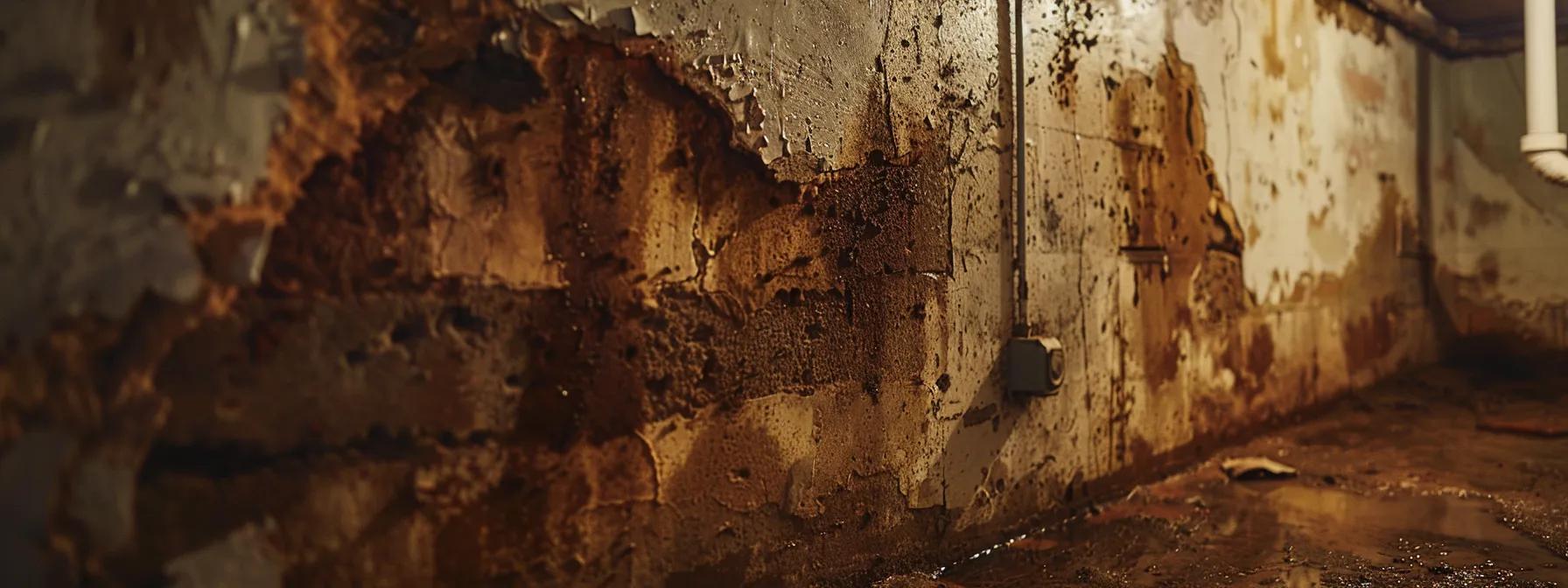
That musty smell in your basement? It’s more than just unpleasant—it’s a red flag. It usually means mold or mildew is lurking, and that can lead to health issues and hidden structural problems. With the right basement waterproofing solutions, we can tackle the root of the problem. At YLM, we’ve helped homeowners across the area eliminate moisture issues with trusted basement waterproofing Youngstown services that get results.
Detecting Earthy or Mildew Smells
A musty, earthy odor signals that fungal growth is taking hold in damp, poorly ventilated conditions. These odors demand immediate attention because prolonged exposure to mold spores can lead to respiratory and allergic issues.
Locating Visible Mold or Mildew Patches
Mold or mildew patches visible on walls, ceilings, or stored items indicate high moisture levels. These fungi spread rapidly in areas with limited airflow and pose both health and structural concerns. Regular inspections are essential for early remediation.
Understanding Condensation on Pipes or Windows
Condensation that forms on cold surfaces, such as pipes or basement windows, is a sign that ambient humidity levels are elevated. When warm, moist air meets cooler surfaces, water droplets form and create conditions favorable for mold growth and decreased air quality.
Feeling Damp or Humid Air in the Basement
If your basement air consistently feels damp or humid, it suggests water vapor build-up due to poor ventilation or active water intrusion. Elevated humidity speeds up the deterioration of building materials and supports pest and mold growth. We use both visual cues and humidity measurements to assess these issues.
Material Deterioration as a Sign of Water Damage in Your Basement
Material deterioration signals that water damage is affecting the structural components of your basement, compromising both aesthetics and overall integrity.
Noticing Rusted Metal Appliances or Fixtures
Rusted metal appliances, pipes, or fixtures result from continuous exposure to moisture. Oxidation weakens these components, potentially causing system failures or leaks. Regular inspections and timely replacement of corroded elements are important to avoid further damage.
Finding Rotting Wood Structures or Stored Items
Rotting wood on support beams, window frames, or stored items like cardboard boxes indicates that water exposure has caused chemical breakdown and decay. Wood rot undermines structural stability and can lead to pest infestations if not addressed promptly.
Observing Deterioration of Stored Cardboard or Fabrics
Materials such as cardboard, fabric, and paper deteriorate quickly in damp conditions. Their deterioration not only causes financial loss but also contributes to microbial growth that further reduces indoor air quality.
Checking for Crumbling Concrete or Masonry
Crumbling concrete or masonry is a result of water degrading these materials through chemical processes and freeze-thaw cycles. The porous nature of concrete traps water in voids, weakening the structure. Regular inspections, especially after heavy rain or flooding, are essential for early repair.
Understanding the Effects of Water Damage in Basements on Structural Integrity
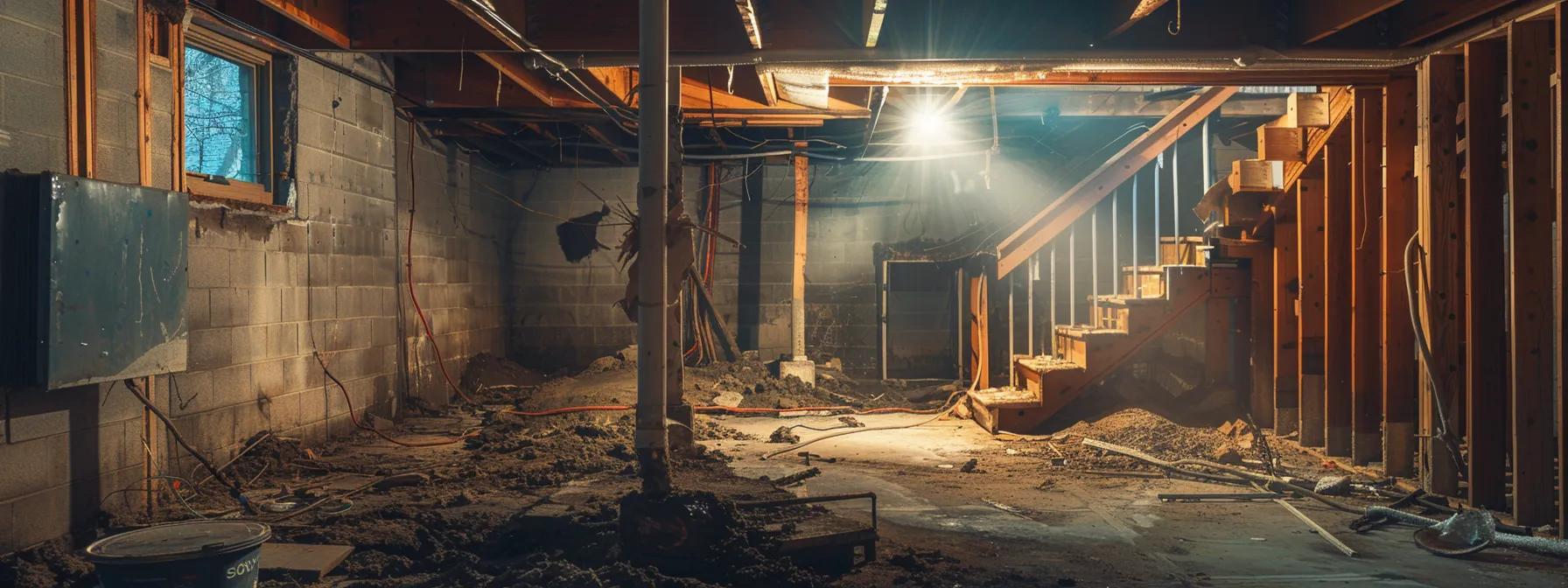
Water damage does more than leave a mess—it puts your basement’s structure at risk. When moisture seeps in, it can weaken the foundation, supports, and framing. That’s why spotting basement water problems early is key to avoiding costly repairs and safety issues. At YLM, we help homeowners in Youngstown stay ahead of these issues with reliable basement waterproofing Youngstown.
How Water Pressure Impacts Foundation Walls
Continuous water intrusion increases hydrostatic pressure against foundation walls. Over time, this pressure can cause cracks and even shifts in the foundation. We monitor water pressure to address any structural compromise before major failures occur.
The Softening and Weakening of Wooden Supports
Wooden supports absorb moisture, swell, and lose their load-bearing capabilities. This softening leads to dangerous conditions where even minimal stress can result in irreversible damage. Addressing this issue early is critical to maintaining structural safety.
Potential for Bowing or Buckling Walls
Bowing or buckling walls are clear indicators that moisture has significantly weakened the structural integrity of your basement. These deformations reduce wall strength and present safety risks. Professional remediation and regular structural evaluations are necessary to prevent serious incidents.
Risks to Floor Joist Stability From Prolonged Wetness
Floor joists that are exposed to prolonged moisture may sag or even collapse over time. Persistent dampness compromises these supports, making proper drainage and moisture control fundamental to ensuring a safe environment.
Health Related Effects of Water Damage in Basements
Water damage not only threatens your property, it also poses serious health risks. Recognizing these hazards is critical for safeguarding your family’s well-being.
Respiratory Issues Stemming From Mold Spores
Mold spores from unchecked water damage can trigger respiratory problems, particularly for those with allergies or asthma. Inhalation of these spores often leads to irritation and coughing. Our remediation processes focus on eliminating mold to improve indoor air quality.
Allergic Reactions Triggered by Damp Environments
Continuous exposure to damp, moldy environments can result in allergic reactions such as sneezing, itchy eyes, and skin rashes. Timely waterproofing and mold removal are effective in reducing these triggers and ensuring a healthier living space.
Increased Presence of Pests Attracted to Moisture
Damp conditions in your basement are attractive to pests like insects and rodents. These pests not only carry diseases but also further damage your property by creating additional pathways for moisture. Immediate action is required to prevent infestations and the damage they cause.
Compromised Air Quality Throughout the Home
Water damage and resultant mold growth negatively impact overall indoor air quality, leading to respiratory irritation and other health issues. Keeping your basement dry is crucial to maintaining a clean and healthy indoor air quality throughout your home.
Financial and Property Value Effects of Water Damage in Basements
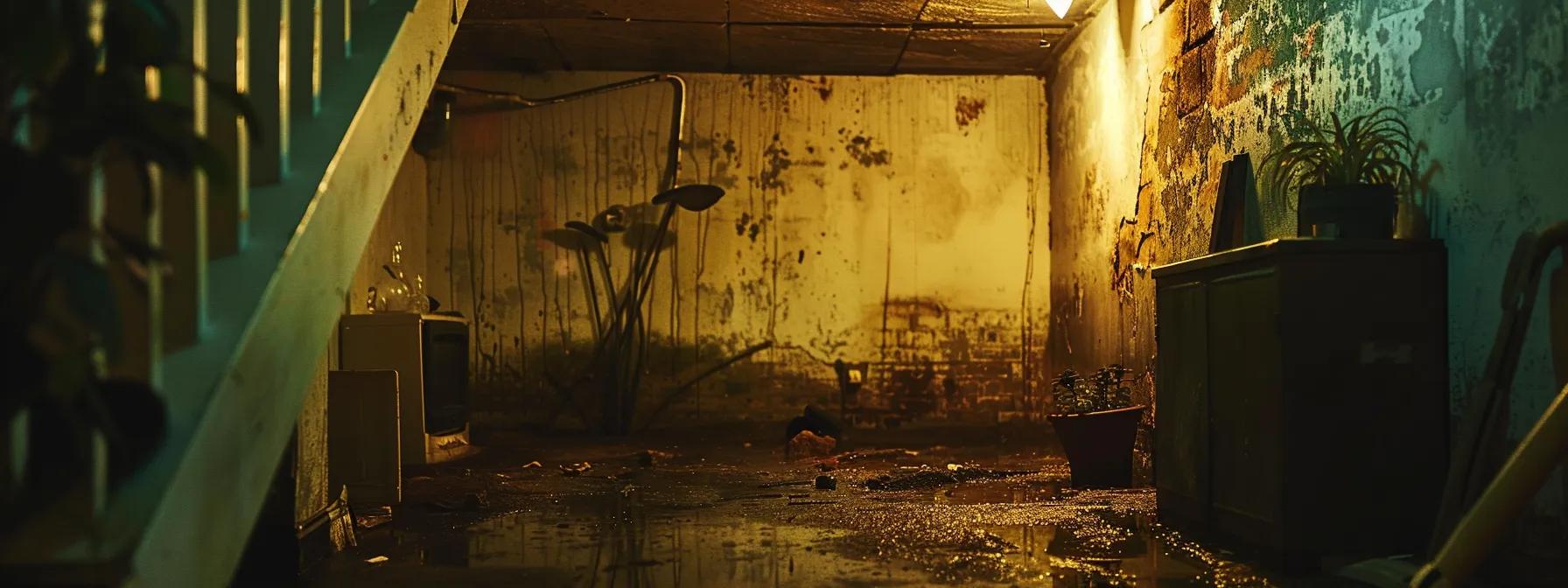
Water damage doesn’t just hurt your home—it can drive down its value and lead to costly repairs. That’s why we believe proactive basement waterproofing Youngstown is one of the most competent steps homeowners can take.
Diminished Resale Value of Your Property
A wet or damaged basement is a significant red flag for potential buyers, often resulting in a reduced resale value. Visible signs of water damage, such as mold, staining, and cracks, can force price reductions or renegotiations during a sale.
Costly Repairs to Structure and Finishes
Once water damage occurs, repairs can be prohibitively expensive. Structural work, refinishing, or even replacing sections of the basement can quickly add up. Early intervention helps maintain the long-term stability of your investment.
Replacement Expenses for Damaged Belongings
Water damage can destroy stored belongings, forcing you to incur replacement expenses, as well as potential insurance deductibles. Preventive waterproofing helps protect these possessions from avoidable loss.
Increased Utility Bills From Inefficient Climate Control
A wet basement often requires additional energy to regulate humidity and temperature, resulting in higher utility bills. Maintaining a dry basement enhances your home’s energy efficiency and reduces ongoing costs.
To illustrate the common issues and their effects, consider the following table summarizing the key indicators, potential damages, and their impact on both structure and finances:
The table outlines how water damage affects your property immediately and in the long term, highlighting the importance of early detection and intervention.
Frequently Asked Questions
Q: What should I do if I notice water stains on my basement walls? A: Schedule an inspection immediately with a professional basement waterproofing service like YLM Basement Waterproofing to determine the source of moisture and implement corrective measures.
Q: How can peeling paint indicate water damage? A: Peeling or bubbling paint occurs when moisture disrupts the adhesive layer beneath the surface. This is an early warning sign of prolonged water exposure and possibly more extensive water intrusion.
Q: Why is efflorescence a cause for concern in basements? A: Efflorescence is a white powdery residue that suggests water is seeping through masonry, leaving behind salts that weaken the structure over time if not removed.
Q: How do structural cracks correlate with water intrusion? A: Cracks in walls or flooring indicate that water pressure and persistent moisture are compromising your foundation’s stability. Left untreated, these cracks may worsen and threaten structural integrity.
Q: What health risks are associated with basement mold? A: Basement mold releases spores that can trigger respiratory issues, allergies, and asthma attacks. Continued exposure in a damp environment may lead to chronic health problems.
Q: Can water damage affect the resale value of my home? A: Yes, visible water damage such as mold, stains, and cracks can significantly diminish the resale value, leading to lower offers and prolonged sales.
Q: How do increased utility bills relate to a wet basement? A: A wet basement typically demands additional dehumidification and heating or cooling efforts, resulting in higher energy use and inflated utility bills over time.
Q: What immediate steps can I take to prevent further water damage? A: Increase ventilation, use dehumidifiers, seal visible cracks, and schedule a professional inspection from a trusted basement waterproofing service.
At YLM Basement Waterproofing, I know how crucial it is to prevent water damage for both the structural integrity of your home and the health of your family. Addressing early signs of water intrusion is essential; together, we can create a robust water barrier that protects your basement for years. If you suspect moisture issues, please reach out for a comprehensive inspection. With over 20 years of experience, our basement waterproofing Youngstown services range from foundation repair to sump pump installation, each tailored to meet your specific challenges.
Maintaining a dry basement is not just about immediate fixes—it’s about long-term prevention. We utilize industry-leading materials and techniques to mitigate risks such as flooding and mold, which can compromise your home’s value and indoor air quality. Regular maintenance and timely repairs are key, especially during rainy seasons. By investing in our solutions, many clients have discovered that proactive measures not only safeguard their properties but also protect their families from health complications linked to damp environments.
Frequently Asked Questions (Additional)
Q: How often should I schedule an inspection for basement water damage? A: We recommend a professional inspection at least once every two years or immediately after heavy storms or flooding events to catch any early signs of water damage.
Q: What maintenance tips can help prevent basement flooding? A: Regularly clean gutters and downspouts, ensure proper grading around your foundation, and install a reliable sump pump. Periodic checks for foundation cracks and moisture barriers can significantly lower the risk of flooding.
Q: Is basement waterproofing worth the investment? A: Absolutely. Comprehensive waterproofing solutions not only prevent costly repairs but also protect your home’s structural integrity and improve indoor air quality, making it a sound long-term investment.
Q: How do I know if my dehumidifier is effective in a wet basement? A: An effective dehumidifier consistently lowers humidity levels to below 60%. Persistent dampness or condensation despite its operation may indicate the need for additional waterproofing measures.
Q: What is the typical lifespan of waterproofing solutions? A: With proper maintenance, most waterproofing treatments can last from 10 to 20 years. Regular inspections and timely repairs help keep the system effective throughout its lifespan.
Q: Can basement waterproofing also help with energy efficiency? A: Yes, a well-sealed and dry basement reduces the need for extra heating or cooling, translating to lower utility bills and improved energy efficiency throughout your home.